Introduction to Personal Finance in Uganda

Personal finance is the process of planning and managing your financial resources to achieve your financial goals. In Uganda, where the economic landscape is dynamic and opportunities abound, understanding personal finance is crucial for building a secure and prosperous future. At Prosperity Path Financials, we provide practical guidance and resources tailored to the unique challenges and opportunities faced by Ugandans.
From navigating the informal economy to utilizing mobile banking solutions, our platform offers insights and strategies to help you make informed financial decisions. We believe that financial literacy is a fundamental right, and we are committed to empowering individuals and families across Uganda to take control of their financial lives.
Whether you are a student, a young professional, a small business owner, or a retiree, our resources are designed to meet you where you are and help you progress towards your financial goals. We cover a wide range of topics, including budgeting, saving, investing, debt management, and retirement planning, all within the context of the Ugandan economy and culture.
Budgeting Tips for Ugandans

Creating a budget is the foundation of sound personal finance. It allows you to track your income and expenses, identify areas where you can save money, and allocate resources to your financial goals. Here are some budgeting tips specifically for Ugandans:
- Track Your Income and Expenses: Use a notebook, spreadsheet, or budgeting app to record all your income and expenses. Be sure to include both regular and irregular income, as well as fixed and variable expenses. Popular local budgeting apps include "MyBudge" and "Uganda Budget Tracker".
- Set Realistic Financial Goals: Define your short-term and long-term financial goals. These could include saving for a down payment on a house, starting a business, funding your children's education, or planning for retirement.
- Prioritize Your Expenses: Distinguish between essential expenses (e.g., rent, food, transportation) and discretionary expenses (e.g., entertainment, dining out). Prioritize essential expenses and look for ways to reduce discretionary spending.
- Create a Spending Plan: Allocate your income to different categories based on your financial goals and priorities. Consider using the 50/30/20 rule, where 50% of your income goes to essential expenses, 30% to discretionary expenses, and 20% to savings and debt repayment.
- Review and Adjust Your Budget Regularly: Your budget is not set in stone. Review it regularly (e.g., monthly) to ensure it aligns with your financial goals and make adjustments as needed.
- Embrace the Envelope System: For those who prefer cash, allocate specific amounts for different spending categories in envelopes. Once an envelope is empty, you cannot spend any more in that category until the next budgeting period.
- Consider Group Savings (Rotating Savings and Credit Associations): Known locally as "Tontines" or "Rotating Savings and Credit Associations (ROSCAs)", these informal groups allow members to contribute regularly and receive a lump sum payout in turn. This can be a great way to save for specific goals. However, exercise caution and join reputable groups.
Expense Management Strategies

Effective expense management is crucial for achieving financial stability and reaching your financial goals. Here are some expense management strategies that can help you control your spending and maximize your savings:
- Identify and Eliminate Unnecessary Expenses: Review your spending patterns and identify expenses that you can eliminate without significantly impacting your quality of life. This could include cancelling subscriptions you don't use, reducing your reliance on expensive transportation options, or cutting back on dining out.
- Negotiate Lower Bills: Contact your service providers (e.g., internet, phone, insurance) and negotiate lower rates. You may be surprised at how much you can save simply by asking.
- Take Advantage of Discounts and Deals: Look for discounts, coupons, and deals on products and services that you regularly use. Many retailers and service providers offer discounts to students, seniors, and members of certain organizations.
- Cook at Home More Often: Eating out can be expensive. Cooking at home is generally much cheaper, and it allows you to control the ingredients and portion sizes.
- Buy in Bulk: If you regularly use certain products, consider buying them in bulk to save money. This is especially beneficial for non-perishable items.
- Use Public Transportation or Carpool: Transportation costs can be a significant expense. Consider using public transportation, carpooling with colleagues, or walking or cycling when possible.
- Track Your Spending Habits: Use a budgeting app or spreadsheet to track your spending habits and identify areas where you can cut back. This can help you become more aware of your spending patterns and make more informed financial decisions.
The Role of Mobile Payments in Uganda

Mobile payments have revolutionized the financial landscape in Uganda, providing a convenient, secure, and accessible way to manage money. With high mobile phone penetration rates and a growing number of mobile money users, mobile payments are playing an increasingly important role in the Ugandan economy.
Mobile money services, such as MTN Mobile Money and Airtel Money, allow users to send and receive money, pay bills, purchase goods and services, and access other financial services using their mobile phones. This has made it easier for people to manage their finances, especially those in rural areas who may not have access to traditional banking services.
Here are some tips for using mobile payments effectively:
- Choose a Reputable Provider: Select a mobile money provider that is licensed and regulated by the Bank of Uganda. This will help ensure the security of your funds.
- Protect Your PIN: Keep your mobile money PIN secret and do not share it with anyone. Change your PIN regularly to prevent fraud.
- Verify Transactions: Always verify the details of each transaction before confirming it. Check the recipient's name, account number, and the amount being transferred.
- Keep Records: Keep a record of all your mobile money transactions. This will help you track your spending and identify any discrepancies.
- Be Aware of Scams: Be wary of unsolicited calls or messages asking for your PIN or other personal information. These could be scams designed to steal your money.
- Utilize Mobile Banking Features: Explore features like bill payments, savings accounts integrated with mobile money, and loan applications.
- Consider USSD and App Options: Understand the difference between accessing mobile money via USSD codes (*165#) and using the dedicated mobile money app. Choose the option that best suits your needs and comfort level.
Planning for Family Financial Needs

Planning for family financial needs is essential for ensuring the well-being and security of your loved ones. This involves setting financial goals, creating a budget, and making informed decisions about saving, investing, and insurance.
Here are some key areas to consider when planning for family financial needs:
- Education Planning: Saving for your children's education is a major financial goal for many Ugandan families. Start saving early and consider investing in education savings plans. Research local and international scholarship opportunities. Consult with financial advisors like Peter Okello from "FutureVest Uganda" to explore education investment options.
- Healthcare Planning: Healthcare expenses can be unpredictable and costly. Ensure that your family has adequate health insurance coverage. Consider joining a community health insurance scheme to reduce your out-of-pocket expenses.
- Housing: Whether you are renting or owning a home, housing is a significant expense. Make sure you can comfortably afford your housing costs and that you have a plan for maintaining your property. Consider microfinance institutions like "Pride Microfinance Limited" for housing loans with flexible repayment terms.
- Retirement Planning: Start planning for retirement early, even if it seems far off. Contribute to a retirement savings plan and consider diversifying your investments.
- Insurance: Protect your family against financial hardship by purchasing adequate life insurance, disability insurance, and property insurance. Companies like "UAP Old Mutual Insurance Uganda" offer tailored family insurance packages.
- Emergency Fund: Create an emergency fund to cover unexpected expenses, such as medical bills, job loss, or car repairs. Aim to save at least three to six months' worth of living expenses.
- Estate Planning: Create a will to ensure that your assets are distributed according to your wishes after your death. This can help prevent disputes among family members and ensure that your loved ones are taken care of. Consult with lawyers like Aisha Nakato from "Nakato & Associates Advocates" for estate planning services.
- Communicate Openly: Discuss financial matters openly and honestly with your family members. This will help everyone understand the family's financial goals and priorities and make informed decisions together.
Expert Advice from Financial Guru, Miriam Atim
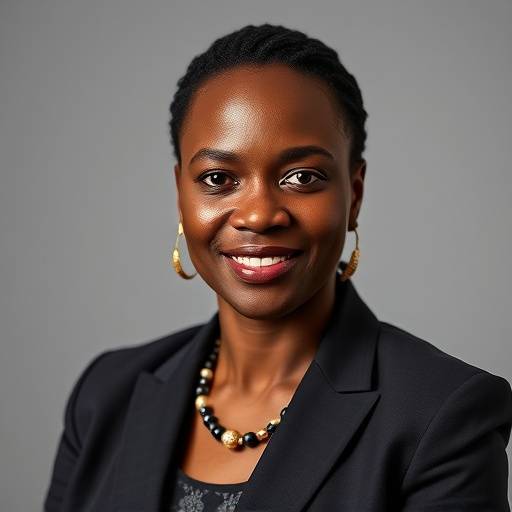
Miriam Atim, a renowned financial advisor based in Kampala, Uganda, shares her insights on navigating the unique financial challenges faced by Ugandans:
"The key to financial success in Uganda is adaptability. Embrace mobile money, explore microfinance opportunities, and always prioritize savings, no matter how small. Start with what you have, learn as you go, and seek guidance from trusted financial professionals."
Miriam Atim, Financial Advisor, Kampala
Table: Key Financial Institutions in Uganda
| Institution Name | Type | Services Offered | Contact Information |
|---|---|---|---|
| Bank of Uganda | Central Bank | Monetary policy, regulation, supervision of financial institutions | +256 737 302873/6, info@bou.or.ug |
| Stanbic Bank Uganda | Commercial Bank | Retail banking, corporate banking, investment banking | +256 885 198996, uganda@stanbic.com |
| Centenary Bank | Commercial Bank | Retail banking, SME banking, microfinance | +256 614046624, info@centenarybank.co.ug |
| Pride Microfinance Limited | Microfinance Institution | Microloans, savings accounts, financial literacy training | +256 709 469134, info@pridemicrofinance.co.ug |
| MTN Mobile Money | Mobile Money Provider | Mobile money transfers, bill payments, airtime purchases | 100 (MTN Customer Care) |