Mastering Your Finances: A Guide to Daily Budgeting in Uganda
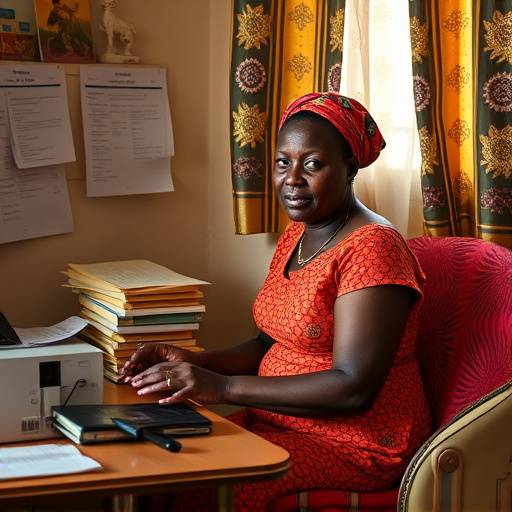
Welcome to Prosperity Path Financials, your trusted guide to achieving financial well-being in Uganda. In today's dynamic economic landscape, mastering your finances is more crucial than ever. This guide focuses on a powerful tool: daily budgeting. We'll explore practical methods, expense tracking techniques, and saving strategies tailored specifically for the Ugandan context.
Why Daily Budgeting Matters
Daily budgeting isn't about restriction; it's about empowerment. It gives you a clear picture of where your money goes, allowing you to make informed decisions and achieve your financial goals. In Uganda, where incomes can be variable and expenses often unpredictable, a daily budget can be a lifeline.
Think of it this way: Instead of wondering where your money disappeared to at the end of the month, you'll have a daily check-in, ensuring you're on track. It's like having a daily financial GPS, guiding you toward your desired destination, whether it's saving for school fees, a new business venture, or a comfortable retirement.
Budgeting Methods Tailored for Uganda
Several budgeting methods can be adapted to fit your lifestyle and financial situation in Uganda. Here are a few popular options:
- The 50/30/20 Rule: Allocate 50% of your income to needs (rent, transportation, food), 30% to wants (entertainment, dining out), and 20% to savings and debt repayment. This is a simple framework to understand your overall spending habits.
- Zero-Based Budgeting: Start with a clean slate each month and allocate every shilling to a specific purpose. This method ensures that every penny is accounted for and helps you prioritize your spending.
- Envelope Budgeting: Use physical envelopes for different spending categories (transport, groceries, entertainment). Put a predetermined amount of cash in each envelope at the beginning of the month. Once an envelope is empty, you can't spend any more in that category until the next month. This can be very effective in controlling impulsive spending.
Choosing the Right Method
Consider your lifestyle, income stability, and financial goals when selecting a budgeting method. A teacher with a stable salary might find zero-based budgeting ideal, while a small business owner with fluctuating income might prefer the flexibility of the 50/30/20 rule. Experiment and adapt until you find what works best for you.
Tracking Your Expenses: The Foundation of Effective Budgeting
No matter which budgeting method you choose, accurate expense tracking is crucial. Knowing where your money is going is the first step toward controlling it. Here are some effective tracking methods:
- Mobile Apps: Utilize budgeting apps specifically designed for the Ugandan market. These apps often allow you to link your mobile money accounts (like MTN Mobile Money or Airtel Money) and automatically track your transactions. Examples of useful apps are available on both Android and iOS app stores, search for "Uganda budgeting app".
- Spreadsheets: Create a simple spreadsheet in Google Sheets or Microsoft Excel to record your income and expenses. Categorize your spending to gain insights into your spending patterns.
- Notebook and Pen: The traditional method still works! Carry a small notebook and pen to jot down every expense throughout the day. This can be particularly useful for tracking cash transactions.
Categorizing Your Expenses
Effective expense tracking requires clear categorization. Common categories include:
- Housing: Rent, utilities, maintenance
- Transportation: Fuel, public transport fares, boda-boda costs
- Food: Groceries, restaurant meals, street food
- Personal Care: Toiletries, haircuts
- Entertainment: Movies, concerts, social gatherings
- Healthcare: Doctor's visits, medication
- Education: School fees, textbooks
- Debt Repayment: Loan installments
- Savings: Emergency fund, investments
Saving Strategies for the Ugandan Context
Budgeting isn't just about cutting expenses; it's also about maximizing your savings. Here are some saving strategies tailored for the Ugandan environment:
- Automate Your Savings: Set up automatic transfers from your mobile money account to a savings account each month. This "pay yourself first" approach ensures that you consistently save money.
- Leverage Mobile Money Savings Schemes: Many mobile money platforms offer savings schemes with attractive interest rates. Take advantage of these options to grow your savings effortlessly.
- Participate in Village Savings and Loan Associations (VSLAs): VSLAs are community-based savings groups that offer a safe and reliable way to save and borrow money. These groups foster financial discipline and provide access to credit for small businesses and personal needs.
- Reduce Energy Consumption: Saving on electricity bills can significantly impact your budget. Switch to energy-efficient appliances, turn off lights when not in use, and consider using solar power where possible.
- Bulk Buying: Purchase non-perishable items in bulk when they are on sale to save money in the long run. This is particularly beneficial for essential household items like sugar, rice, and cooking oil.
- Negotiate Prices: Don't be afraid to haggle when shopping at local markets. Negotiating prices is a common practice in Uganda and can help you save a considerable amount of money.
Daily Budgeting in Action: A Practical Example
Let's imagine Sarah, a teacher in Kampala earning UGX 800,000 per month. She wants to create a daily budget to save for her children's education.
- Calculate Daily Income: UGX 800,000 / 30 days = UGX 26,667 per day.
-
Allocate Daily Expenses:
Using the 50/30/20 rule, Sarah allocates:
- Needs (50%): UGX 13,333 (rent, transport, food)
- Wants (30%): UGX 8,000 (entertainment, personal care)
- Savings (20%): UGX 5,334
- Track Daily Expenses: Sarah uses a notebook to record all her expenses throughout the day.
- Review and Adjust: At the end of each day, Sarah reviews her expenses and adjusts her budget as needed. If she spends less on transportation, she allocates the extra money to savings.
By consistently following her daily budget, Sarah can save a significant amount of money each month toward her children's education.
Overcoming Budgeting Challenges
Budgeting is not always easy. Here are some common challenges and how to overcome them:
- Unexpected Expenses: Create an emergency fund to cover unexpected expenses like medical bills or car repairs.
- Fluctuating Income: If your income varies, focus on tracking your expenses and adjusting your budget accordingly. Prioritize essential needs and cut back on non-essential wants during low-income periods.
- Lack of Discipline: Set realistic goals and reward yourself for sticking to your budget. Find an accountability partner to help you stay motivated.
The Role of Mobile Payments in Daily Budgeting
Mobile payments have revolutionized financial transactions in Uganda. Platforms like MTN Mobile Money and Airtel Money make it easier than ever to track your spending, save money, and manage your budget. See our page on Mobile Payments to learn more.

Further Resources
For more information on personal finance in Uganda, explore the following resources:
-
Bank of Uganda:
(Fictional Link to Bank of Uganda Financial Literacy Resources)
-
Uganda Microfinance Regulatory Authority:
(Fictional Link to UMRA Resources)
Conclusion
Daily budgeting is a powerful tool for achieving financial stability and prosperity in Uganda. By choosing the right budgeting method, tracking your expenses diligently, and implementing effective saving strategies, you can take control of your finances and achieve your financial goals. Remember, financial well-being is a journey, not a destination. Start today and embark on your path to prosperity with Prosperity Path Financials!
Read more about Expense Management or Family Finance for further advice.