Expense Management in Uganda: A Practical Guide
Welcome to Prosperity Path Financials, your guide to mastering expense management in Uganda. Effective expense management is crucial for achieving financial stability and prosperity. This guide provides practical strategies tailored to the Ugandan context, helping you gain control of your finances and build a secure future.
1. Identifying Your Spending Habits
The first step towards effective expense management is understanding where your money goes. Many Ugandans find it challenging to track their expenses, but with the right tools and techniques, it becomes manageable.
Methods for Tracking Expenses:
- Manual Tracking: Use a notebook or spreadsheet to record every expense. Note the date, item, and amount spent.
- Mobile Apps: Leverage budgeting apps like "M-Sente Manager" or "Uganda Budget Tracker" available on app stores. These apps often categorize expenses automatically.
- Bank Statements: Review your bank statements and mobile money transactions to identify spending patterns.
- Categorize Spending: Group your expenses into categories like food, transport, housing, entertainment, and utilities.

It's important to be honest with yourself during this process. Include even small expenses, like airtime or snacks, as they can add up significantly over time.
2. Reducing Unnecessary Expenses
Once you know where your money is going, you can identify areas where you can cut back. This doesn't mean sacrificing your quality of life but rather making conscious choices about your spending.
Strategies for Reducing Expenses:
- Meal Planning: Plan your meals for the week and buy groceries accordingly. This reduces impulse purchases and food waste. Cooking at home is generally cheaper than eating out in Kampala restaurants.
- Negotiate Bills: Call your service providers (e.g., internet, TV) and negotiate for better rates. Competition is high, and they may be willing to offer discounts.
- Reduce Transport Costs: Consider using public transport (taxis, buses, boda-bodas) instead of driving your car to save on fuel and parking costs. Alternatively, walking or cycling for short distances can improve your health and save money.
- Limit Entertainment Spending: Reduce the frequency of going to bars, cinemas, and concerts. Look for free or low-cost entertainment options, such as community events or parks.
- Cancel Unused Subscriptions: Review your subscriptions (e.g., streaming services, gym memberships) and cancel any that you no longer use.
- Buy Second-Hand: Consider buying second-hand clothes, furniture, and electronics. There are numerous markets and online platforms in Uganda where you can find good deals.
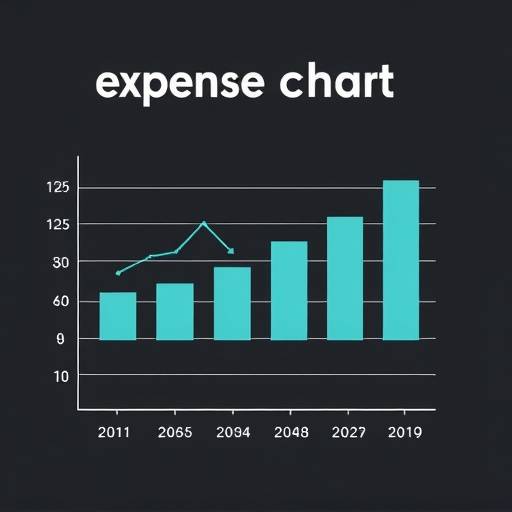
Remember, even small savings can make a big difference over time. Track your progress and celebrate your achievements to stay motivated.
Case Study: Sarah's Success Story
Sarah, a teacher in Mukono, was struggling to make ends meet. After tracking her expenses, she realized she was spending a significant amount on eating out and transport. By packing her lunch and using public transport more often, she managed to save 150,000 UGX per month. This allowed her to start a small savings account and invest in her children's education.
3. Creating a Savings Plan
Saving is an essential component of financial well-being. A well-defined savings plan can help you achieve your financial goals, whether it's buying a home, starting a business, or securing your retirement.
Steps to Create a Savings Plan:
- Set Clear Goals: Define what you want to save for. Be specific and set realistic timelines. For example, "Save 5,000,000 UGX for a down payment on a plot of land in two years."
- Determine Your Savings Amount: Calculate how much you need to save each month to reach your goals.
- Automate Your Savings: Set up automatic transfers from your current account to a savings account. This makes saving effortless and consistent.
- Choose the Right Savings Account: Look for savings accounts with competitive interest rates and low fees. Consider options offered by banks like Stanbic Bank Uganda, Centenary Bank, or mobile money platforms.
- Explore Investment Opportunities: Once you have a substantial amount saved, consider investing in options like fixed deposits, government bonds, or unit trusts to earn higher returns. Seek advice from a trusted financial advisor at Prosperity Path Financials. You can reach us at +256 165063718 or visit our offices at Plot 12, Kampala Road, Kampala.
- Review and Adjust: Regularly review your savings plan and adjust it as needed to reflect changes in your income, expenses, and goals.

Savings Tips for Ugandans:
- Join a Savings Group (SACCO): SACCOs (Savings and Credit Cooperative Organizations) are popular in Uganda and offer a way to save and borrow money collectively.
- Take Advantage of Mobile Money Savings: Many mobile money platforms offer savings accounts with attractive interest rates.
- Invest in Agriculture: Consider investing in small-scale farming or livestock rearing as a way to generate additional income and savings.
- Start a Side Hustle: Explore opportunities to earn extra income through freelance work, online businesses, or small-scale trading.
Understanding Interest Rates
Interest rates play a significant role in how quickly your savings grow. When choosing a savings account or investment, pay close attention to the interest rate offered. Compare rates from different financial institutions to ensure you are getting the best possible return on your money. Also, consider the impact of inflation on your savings. If the inflation rate is higher than the interest rate, your savings may lose value over time.
The Role of Financial Literacy
Financial literacy is key to making informed decisions about your money. Prosperity Path Financials offers workshops and seminars in Kampala and other regions of Uganda to help individuals and families improve their financial literacy skills. Our courses cover topics such as budgeting, saving, investing, and debt management. Contact Ms. Aisha Nakato at aisha.nakato@prosperitypathfinancials.com for more information about our upcoming events.
4. Utilizing Mobile Payments for Expense Management
Mobile payment systems like MTN Mobile Money and Airtel Money are widely used in Uganda and can be valuable tools for managing your expenses.
Benefits of Using Mobile Payments:
- Convenience: Pay bills, transfer money, and make purchases from your phone, saving time and transport costs.
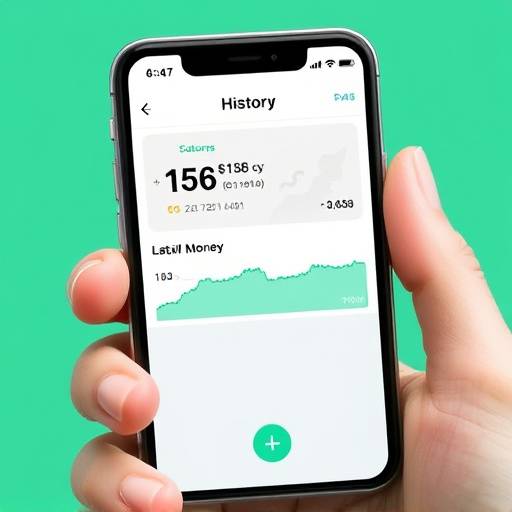
- Tracking: Mobile money platforms provide transaction histories, making it easier to track your spending.
- Budgeting Tools: Some platforms offer budgeting tools that help you categorize your expenses and set spending limits.
- Security: Mobile money transactions are generally more secure than carrying cash.
Tips for Using Mobile Payments Effectively:
- Set a Budget: Allocate a specific amount of money to your mobile money account for different purposes (e.g., utilities, groceries).
- Monitor Your Transactions: Regularly review your transaction history to identify any discrepancies or unauthorized transactions.
- Use Mobile Payment Apps: Download and use mobile payment apps that provide additional budgeting and expense tracking features.
- Be Aware of Fees: Understand the fees associated with different mobile money transactions and choose the most cost-effective options.
By integrating mobile payments into your expense management strategy, you can streamline your finances and gain better control over your spending.
Prosperity Path Financials has partnered with leading mobile money providers to offer exclusive financial literacy programs to their users. Contact Mr. David Okello at david.okello@prosperitypathfinancials.com for more details.